Strawberry Paper Sculpture: An Embroidery Review
As a designer who constantly bridges the gap between digital assets and tangible textiles, I approach every new file with a healthy dose of skepticism. When I first encountered the Strawberry Paper Sculpture by Artpaperxyz, my immediate thought was not about thread, but about dimension. This asset is categorized under Objects as a 3D SVG, originally intended for papercrafts and summer party decor. However, for those of us in the embroidery and maker space, a 3D vector template represents something far more valuable: a blueprint for texture.
I decided to evaluate this design not as a paper cutter, but as an embroidery digitizer and product creator. The goal was to determine if the geometric, layered aesthetic of a paper sculpture could translate into a high-quality machine embroidery design that adds genuine value to a handmade product. After testing the concept on a custom summer tote bag project, here is my practical assessment for fellow Etsy sellers, apparel decorators, and creative entrepreneurs.
Translating Paper Layers to Stitch Density
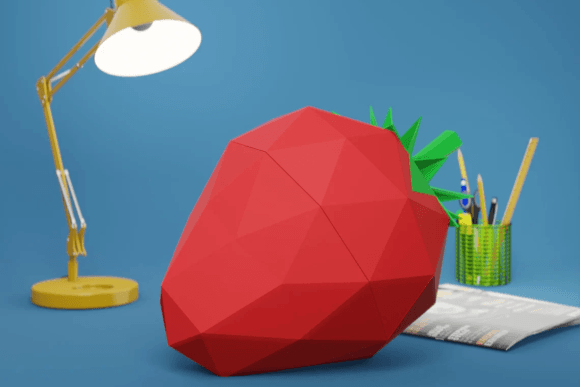
The visual personality of the Strawberry Paper Sculpture is distinct. It relies on clean lines, overlapping shapes, and a sense of depth created through shadow and layering rather than complex shading. In the world of embroidery projects, this is actually ideal. Complex gradients often lead to muddy stitching or excessive stitch density, but the segmented nature of a paper sculpture lends itself beautifully to color blocking.
When adapting this for needle and thread, the "paper" layers become natural zones for different stitch types. I found that treating each vector segment as a separate appliqué piece or a distinct fill stitch area maintained the integrity of the original art. The design’s mood is playful yet structured, making it feel modern rather than nostalgic. For a tote bag design or sweatshirt embroidery, this structured whimsy reads as professional boutique merchandise rather than amateur craft. The key takeaway is that you should not try to mimic paper exactly; instead, use the sculpture’s geometry to guide your thread colors and fabric choices.
Real-World Application: The Summer Market Tote Test
To truly judge the commercial viability of this asset, I applied it to a real-life scenario: preparing a line of canvas market totes for a summer pop-up shop. My target customer is someone who appreciates unique, artisanal goods but expects durability. I needed a finished product that would stand out next to standard floral embroidery.
Using the Strawberry Paper Sculpture as a base, I created a hybrid applique design. The bold, flat shapes of the strawberry segments were perfect for raw-edge appliqué, secured with a tight satin stitch border. Because the original 3D SVG accounts for depth, I utilized varying thread weights to simulate the paper shadows. A darker red running stitch beneath lighter red fill areas created the illusion of lifted paper without adding bulk.
The result was striking. Customers reacted positively to the graphic quality of the design. Unlike traditional realistic strawberries which can sometimes look dated, this interpretation felt fresh and aligned with current design trends. For Etsy sellers and small shop product creators, this distinction matters. It signals that your brand is current. Furthermore, because the design is composed of distinct shapes, it stitched out faster than a fully filled photorealistic berry, improving profit margins on commercial embroidery runs.
Navigating Fabric Textures and Hoop Constraints
While the Strawberry Paper Sculpture is versatile, its geometric precision demands respect during production. This is not a forgiving design for highly textured fabrics like terry cloth or loose-weave linen unless heavily modified. The crisp edges that define the "sculpture" look will get lost in the nap of a towel, turning a sharp graphic into a blurry mess.
I recommend reserving this design for smooth, stable substrates. Canvas, denim, twill, and quilting cotton are excellent choices. If you are attempting baby embroidery on knit fabrics, you must be cautious. The density required to create clean borders between the paper-like layers can cause puckering on stretchy material. Always pair this with a high-quality cut-away stabilizer and consider using a spray adhesive to prevent shifting.
Hoop size is another critical factor. This design thrives at medium-to-large scales where the separation between layers is visible. Shrinking it down for a small chest logo or cap embroidery risks losing the defining details. On curved surfaces like caps, the rigid geometry of a paper sculpture can distort awkwardly. If you intend to use this for headwear, test extensively on scrap fabric first, or simplify the design by removing the deepest shadow layers to accommodate the curve.
Commercial Value and Brand Consistency
For creative entrepreneurs selling digital embroidery files or physical goods, consistency builds trust. The Strawberry Paper Sculpture offers a cohesive visual language that can extend across multiple products. Imagine offering a matching set: a personalized gift set featuring this motif on an apron, a tea towel, and a nursery pillow cover. The stylized nature of the art allows it to bridge categories that realistic fruit designs cannot.
However, a word of caution regarding licensing and adaptation. Since this originates from Artpaperxyz as a papercraft template, you must verify the specific usage rights before selling it as a standalone digital embroidery file. Even if you digitize it yourself, the underlying intellectual property belongs to the original artist. For craft business owners, transparency is key. If you are selling finished items, crediting the original inspiration can add a layer of storytelling that buyers appreciate. If you plan to sell the digitized version, ensure you have obtained commercial derivative rights.
Designer Notes for Successful Execution
Before you load this design into your machine or list it in your shop, run through this practical checklist derived from my testing process:
- Test on Scrap Fabric First: Never assume a paper-based vector will stitch perfectly on your chosen garment. The transition from screen to textile always requires adjustment.
- Check Thread Color Contrast: The success of a paper sculpture look depends entirely on the visibility of layers. Use high-contrast thread colors or tonal variations to ensure the 3D effect translates visually.
- Review Stitch Density: Ensure overlapping areas do not create bulletproof patches. You may need to reduce density in shadow areas to maintain fabric drape, especially on custom apparel.
- Mockup in Black and White: Before committing to color, view your digitized version in grayscale. If the layers disappear or blend together without color, your contrast values are too close.
- Verify Licensing: Confirm whether your purchase of the Strawberry Paper Sculpture includes rights for commercial embroidery or digital resale. Protect your business by respecting IP.
- Consider the End User: If making holiday embroidery or gifts, remember that intricate paper-style edges can snag. A merrow edge or encased seam might be necessary for items subject to wear.
Final Thoughts on Adaptation
The Strawberry Paper Sculpture is more than just a seasonal decoration template; it is a masterclass in shape and form that can elevate your embroidery portfolio. By viewing this 3D SVG through the lens of textile construction, we unlock new possibilities for design assets that feel intentional and high-end. Whether you are creating a signature embroidered patch or refreshing your summer inventory, this design offers a unique opportunity to merge the precision of digital art with the warmth of handmade craftsmanship. Just remember to honor the technical requirements of your machine and the legal boundaries of the original creator, and you will have a winning addition to your creative toolkit.