Fall Numbers 0-9: A Designer’s Embroidery Review
As a professional embroidery designer and product reviewer, I approach every new digital asset with a critical eye. When evaluating the Fall Numbers 0-9 collection, my primary concern is not just how the file looks on a screen, but how it translates to needle and thread in a real-world production environment. This review focuses on the practical application of this layered autumnal template for makers, Etsy sellers, and apparel decorators who need reliable results for their clients and customers.
First Impressions: Autumnal Warmth Meets Structural Integrity
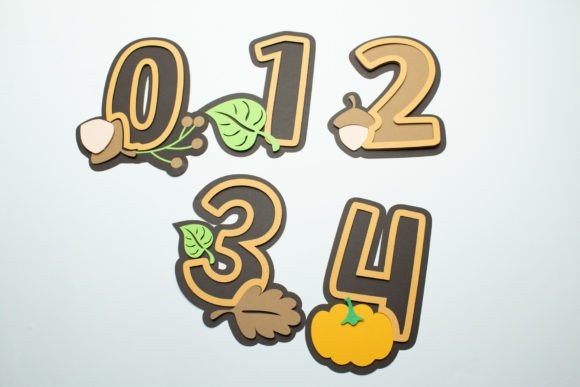
Upon opening the Fall Numbers 0-9 files, the immediate impression is one of seasonal versatility. The aesthetic strikes a balance between rustic charm and clean legibility, which is often difficult to achieve in thematic typography. As a 3D SVG compatible template, the layering suggests depth that can be beautifully interpreted through fabric texture rather than just ink or vinyl. For an embroidery digitizer or crafter, this visual personality signals that the design will work exceptionally well as an applique design or a mixed-media piece where fabric layers create the dimensional effect.
The shapes feel organic yet structured. In machine embroidery, "fall" themes can sometimes become overly intricate with leaves and vines that cause registration issues. However, these numbers maintain strong outlines that are conducive to stable stitching. The mood is cozy without being cluttered, making it an ideal candidate for custom apparel and personalized gifts where readability is just as important as decoration.
Real-World Application: Stitching a Custom Sweatshirt
To truly evaluate this asset, I mentally walked through a recent client project: creating personalized crewneck sweatshirts for a local fall festival vendor team. They needed large, visible numbers for staff identification that still felt festive and boutique-quality rather than utilitarian. The Fall Numbers 0-9 set was the perfect testing ground for this scenario.
When adapting this template for sweatshirt embroidery, the layered nature of the design allows for incredible creativity with fabric choice. Instead of relying solely on dense fill stitches, which can make a garment stiff and heavy, I utilized the SVG layers to create a raw-edge applique using flannel and wool felt. The result was a soft, textured number that integrated seamlessly with the fleece fabric. For a craft business or Etsy seller, this efficiency is vital. By letting the fabric do the work of the "fill," you reduce stitch time and thread consumption while increasing the perceived value of the handmade product.
This specific use case also highlighted the design's strength in commercial embroidery. The numbers were distinct enough to be read from a distance across a crowded venue, yet the autumnal styling elevated the merchandise above standard generic sportswear. Customers frequently asked about the shirts, proving that thoughtful design assets directly influence buyer engagement and brand recognition.
Navigating Technical Constraints and Fabric Choices
While Fall Numbers 0-9 performs beautifully on stable knits and wovens, experienced makers must exercise caution when pushing the boundaries of this design. Not all fabrics are created equal, and the success of your embroidery project depends heavily on substrate selection.
- Stretchy Fabrics: If applying these numbers to thin jersey or performance wear, the layered elements may cause puckering. Always use a high-quality cut-away stabilizer and consider a topping to prevent stitches from sinking into the knit.
- Textured Surfaces: While the design suits fall textures like burlap or canvas, highly irregular weaves can obscure smaller details. Test the stitch density first; you may need to add an underlay to create a smooth foundation for the top layers.
- Curved Items: Hooping caps or curved tote bag panels requires precision. Because these numbers rely on layer alignment for their 3D effect, even slight shifting during the stitching process can ruin the illusion. Flat hooping or adhesive stabilizers are recommended over standard cap frames for complex layered designs.
- Small Sizing: Be wary of scaling down too aggressively. Intricate corners and internal cutouts in the numbers may close up if reduced below a certain threshold. Always verify the minimum safe size for your specific machine and thread weight before committing to a baby embroidery onesie or small patch.
For dark fabrics, ensure your thread colors provide sufficient contrast against both the base fabric and any applique materials. A dark orange number on a chocolate brown sweatshirt might look moody on screen but disappear in low-light retail settings. Always test visibility in natural and artificial light.
Professional Workflow Notes for Makers and Sellers
Including formats like SVG, PDF, EPS, PNG, and DXF makes this package highly versatile for digital creators, but those working specifically with needles must bridge the gap between vector art and stitch file. Here are my essential notes for integrating Fall Numbers 0-9 into a professional workflow:
- Verify Licensing: Before listing any finished product or selling digital derivatives, thoroughly review the included PDF instructions. Confirm whether the license permits commercial sale of physical embroidered goods versus digital files. Protecting your business starts with respecting intellectual property terms.
- Create Physical Mockups: Do not rely solely on software simulations. Stitch out at least one number in your intended size on scrap fabric identical to your final product. Check for thread breaks, registration marks, and overall drape. A printable mockup is great for listings, but a photo of actual stitching builds customer trust.
- Optimize for Production: If using this for bulk orders like holiday embroidery batches, map out your color changes efficiently. Group similar shades across multiple hoopings to minimize downtime. The layered design should allow for logical sequencing that keeps the machine running smoothly.
- Test Wash Durability: Fall items like kitchen towels and aprons face frequent laundering. After stitching, wash and dry your test sample to ensure the applique edges remain secure and the satin stitch borders don't fray. Adjust edge finishing techniques if necessary before selling.
- Document Your Process: Keep notes on which hoop size, stabilizer combination, and needle type worked best. This institutional knowledge becomes invaluable when reordering or expanding the collection next season.
Elevating Product Value Through Intentional Design
Ultimately, Fall Numbers 0-9 offers more than just seasonal clipart; it provides a foundation for creating premium, tactile goods. Whether you are producing embroidered patches for denim jackets, monogramming nursery blankets, or designing limited-edition tote bag design collections, the key lies in honoring the materiality of the medium.
By treating this digital embroidery file as a blueprint rather than a finished solution, you infuse your work with craftsmanship that automated mass production cannot replicate. Pay attention to the interplay of texture, scale, and color. Respect the technical limitations of your equipment. And always prioritize the end-user experience—how the item feels, wears, and ages over time. That is what transforms a simple numbered template into a cherished small shop product that customers return for year after year.