Cutie Sophie Handbag Template: A Designer’s Real-World Review
First Impressions: Sweet, Simple, and Ready to Stitch
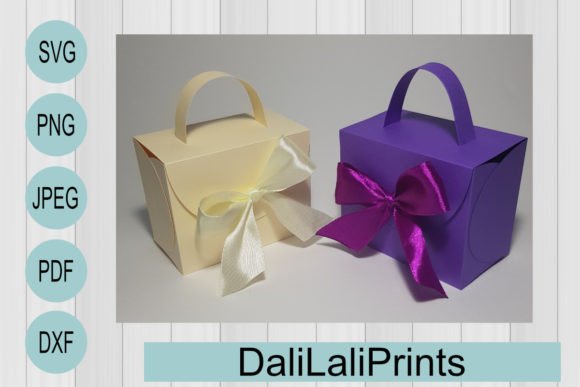
Opening up the Cutie Sophie Handbag Template, the first thing that hits you is its charm. It’s undeniably cute, with soft curves and a compact silhouette that feels like it belongs in a boutique or a personalized gift shop. The design has a playful, almost nostalgic vibe—like something straight out of a handmade boutique collection. As a designer, I immediately thought of how this could translate into embroidered tote bags, baby items, or even personalized aprons for a small shop.
The 3D SVG format makes it easy to adjust and scale, though I’d recommend checking how it holds up at smaller sizes. The shape is clean and structured, which is great for embroidery since it means less guesswork when digitizing or adapting the design for stitch work.
Real-World Use: From Sweatshirts to Holiday Gifts
I tested the Cutie Sophie Handbag Template on a few mock embroidery projects, starting with a custom tote bag. The design stitched cleanly on medium-weight cotton canvas with a standard stabilizer. It didn’t pull or pucker, and the overall shape remained intact. The satin and fill stitches blended well, giving it a polished, finished look.
Next, I tried it on a baby onesie. The handbag shape scaled down nicely, and the minimal detail kept it from looking too busy on such a small space. It looked sweet and subtle—perfect for gender-neutral baby gifts or boutique-style newborn photography props.
I also stitched a version onto a sweatshirt, and while the texture of the fabric changed the visual impact slightly, the design still held up. The smooth lines of the handbag shape helped prevent distortion on the thicker material. For Etsy sellers or small craft businesses, this would work well as a customizable element on seasonal sweatshirts or holiday-themed totes.
Where to Use It Carefully
Despite its versatility, there are definitely places where the Cutie Sophie Handbag Template needs a little more attention. On stretchy fabrics like knits or thin materials like voile, the shape can lose some definition. The satin borders may pull or distort, especially if not stabilized properly.
I wouldn’t recommend using it directly on curved surfaces like baseball caps without first testing how the shape adjusts. The corners of the handbag design are slightly detailed, and those can get lost or misaligned if not hooped correctly.
Dark fabrics also require a bit of thought. I tried it on black cotton and found that the thread contrast wasn’t as strong as I’d hoped. A test run on dark fabric with a white or metallic thread would be a good idea before committing to a full run. Also, if you're planning to use this in a layered garment like a lined tote or a reversible pillow cover, be sure the design doesn’t have overly dense stitching that could cause bulk or stiffness.
Design Impact: From Visual Appeal to Brand Value
What I really like about this design is how it enhances the product without overwhelming it. It’s the kind of embroidery that says, “I’m handmade, but I mean business.” Whether you're running a small Etsy shop or doing custom embroidery for local clients, this design elevates the presentation.
It’s especially effective for personalized gifts. I can imagine a boutique offering custom embroidered handbags with names or initials paired with this template—it reads as premium but accessible. For digital product sellers, including this in a bundle of SVGs or embroidery files could add value for crafters who want to create cohesive product lines.
From a branding perspective, the design is clean and recognizable. It could easily become part of a consistent visual language for a small shop or handmade brand. Just make sure to maintain thread color consistency and stitch quality across all uses to keep the look professional.
Practical Notes for Embroidery Designers
Before jumping into a full production run, here are a few things I’d recommend checking:
- Test on scrap fabric first—especially if you’re using a new material or a textured fabric.
- Check thread color contrast on both light and dark backgrounds. You may need to adjust thread shades for optimal visibility.
- Review stitch density—if the design feels too heavy for your fabric, consider reducing the density slightly.
- Confirm hoop size compatibility with your machine. The handbag shape may need a larger hoop depending on how you’re using it.
- Inspect small details like corners or borders. These can be tricky on finer materials or with low thread tension.
- Test in black and white mockups to see how it looks without color distractions.
- Use the right stabilizer for your fabric type—cutaway for stretchy materials, tear-away for cottons.
- Confirm licensing if you're selling finished items or digital embroidery files. Make sure you’re allowed to use this in commercial projects.
Final Thoughts: A Cute Design with Real-World Potential
The Cutie Sophie Handbag Template is more than just a pretty shape—it’s a functional, adaptable design that works well across a variety of embroidery projects. Whether you're creating personalized gifts, custom apparel, or small shop merchandise, it brings a touch of charm without sacrificing professionalism.
For embroidery designers and small business owners, this is a solid addition to your design assets. Just remember to test, adjust, and plan your use carefully depending on the fabric, garment type, and intended audience. Done right, this design can help elevate your finished product and keep your customers coming back for more.